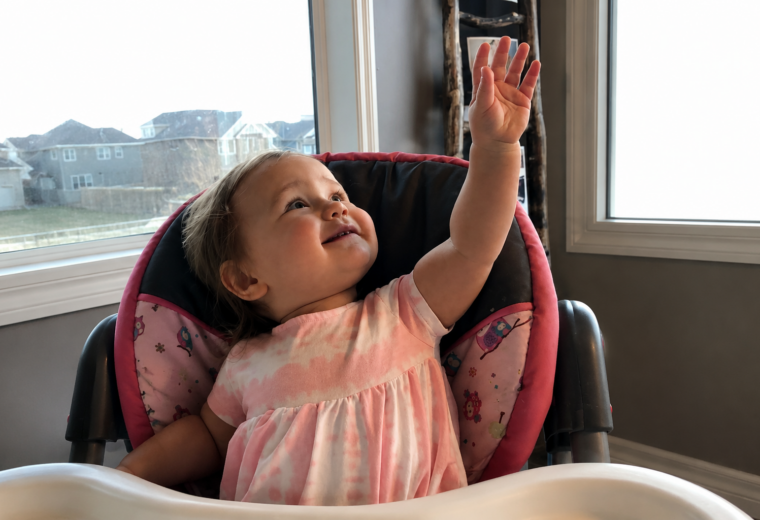

So many years ago now, I was that shy, sensitive young girl in fourth grade. One day in class I had a very traumatic experience that left a deep mark on me. Eager to be brave and perhaps prove myself among the “smart” students, I raised my hand to correct a spelling mistake I thought my teacher had made on the board. I felt excited—this was my chance to speak up and show I was capable.
But I was wrong.
Instead of kindly correcting me or using the moment as a teaching opportunity, my teacher scolded me harshly in front of the entire class. The embarrassment was crushing, like a punch to the stomach. I wanted nothing more than to disappear beneath my desk and never speak up again.
And, for the most part, I didn’t.
For the rest of my school years, I remained silent in class unless directly called upon. I was terrified of being wrong, humiliated, or made to feel small again. The damage from that moment lingered far beyond childhood—I’ve had to work through its effects in my healing journey as an adult.
Some 40 years later, a classmate and friend, who was in class that day and had witnessed what happened, finally told me that that incident had impacted her life in a big way as well. She had had a desire to be a teacher one day. She told me that she purposed that day that she would never treat a student like that. She also witnessed that I did not speak up in class for the rest of our years in school.
This classmate went on to become a teacher, and also a principal. She was known to be one of the best in our small community. She said that every time she wrote the word ‘important’ on the chalk board she thought of that incident. That day long ago, I had mistakenly thought that the ‘m’ should’ve been an ‘n’ in the word ‘important’ when I attempted to correct the teacher. It makes sense that I could’ve easily gotten that mixed up as the word ‘important’ is a tricky when you are younger.
Looking back, I now recognize that some teachers had a gift for nurturing their students, while others never had this skill and should have not been in this profession.
I was thankful my classmate acknowledged my pain and that it actually had some benefit that I only realized after all those years ago.
Contrastingly, in ninth grade, I had a teacher who helped restore some of the confidence I had lost.
She assigned us a poetry project, challenging us to write different types of poems, including one that had to be three lines long with a double meaning. I poured my heart into it, determined to craft something clever.
When I turned it in, she loved it. She not only gave me an A+ but also praised my poem in front of the class. That moment still plays in my mind like a vivid film, standing out just as clearly as the painful one years before.
That encouragement sparked something in me. In the years ahead, I wrote poems and heartfelt pieces for weddings, birthdays, funerals, and even just to lift someone’s spirits. Writing became a way for me to express myself and connect with others. Now, I especially love writing about spirituality and the truths I’ve discovered on my journey of growth and awakening.
And I owe much of that to the praise of one teacher.
This is the power of our words and actions. Every teacher—every person, really—should understand the impact they can have on others but especially on young, impressionable hearts. We may never fully realize the weight our words carry, but they can either break or build, wound or heal.
Choose them wisely!